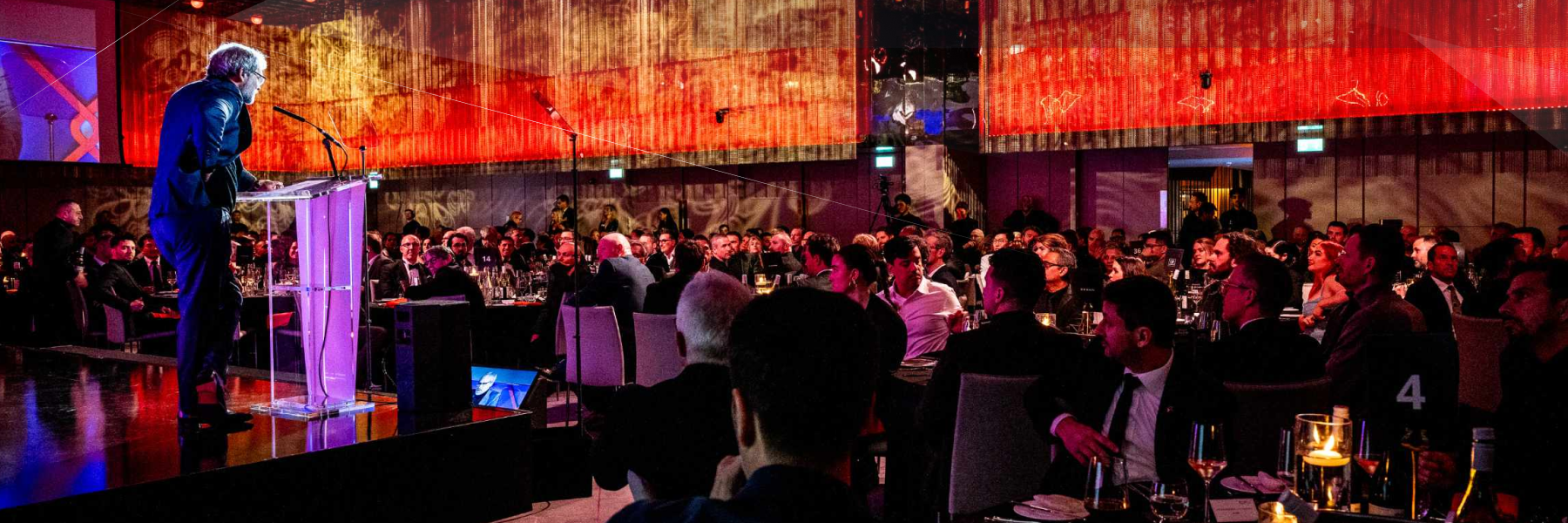
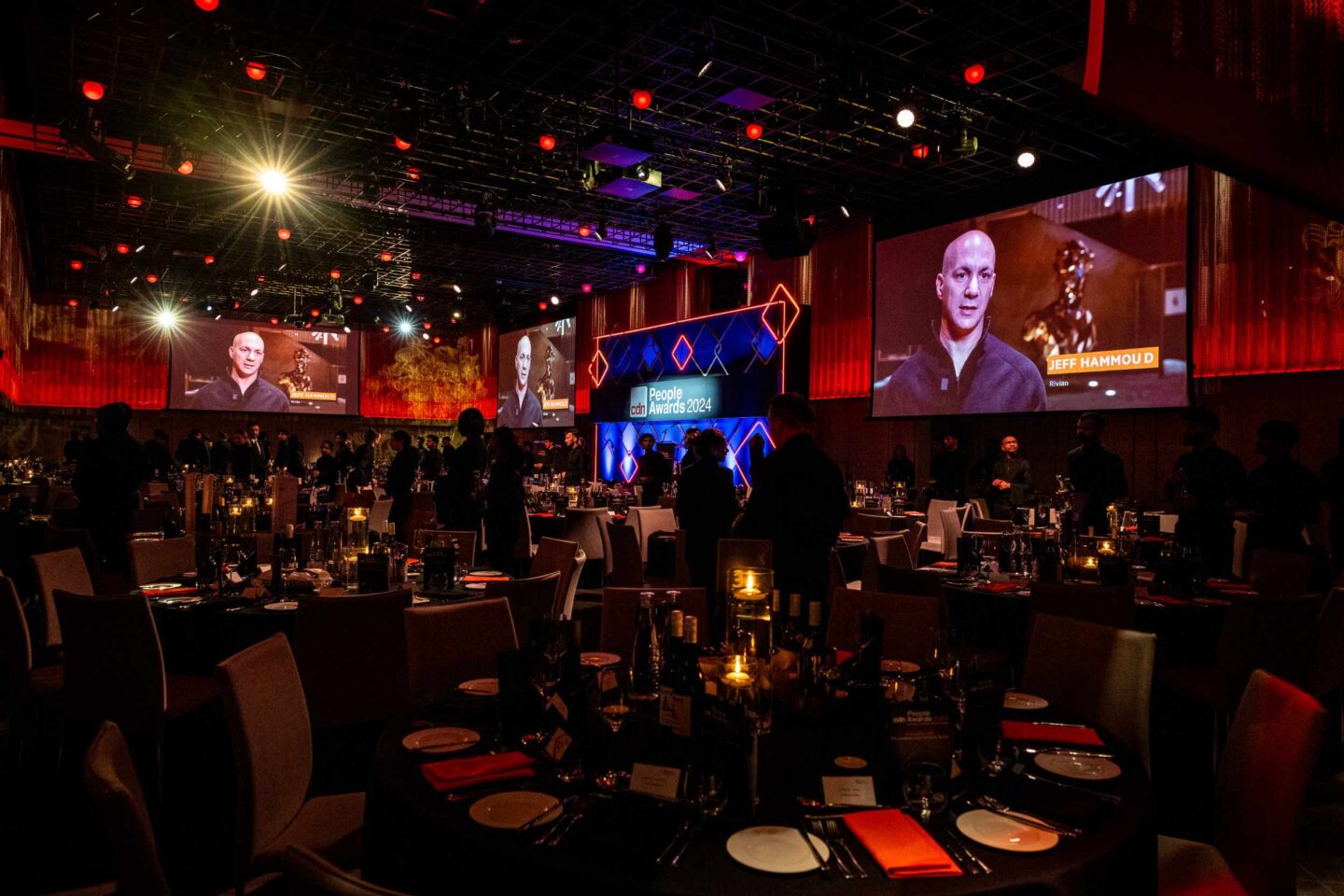
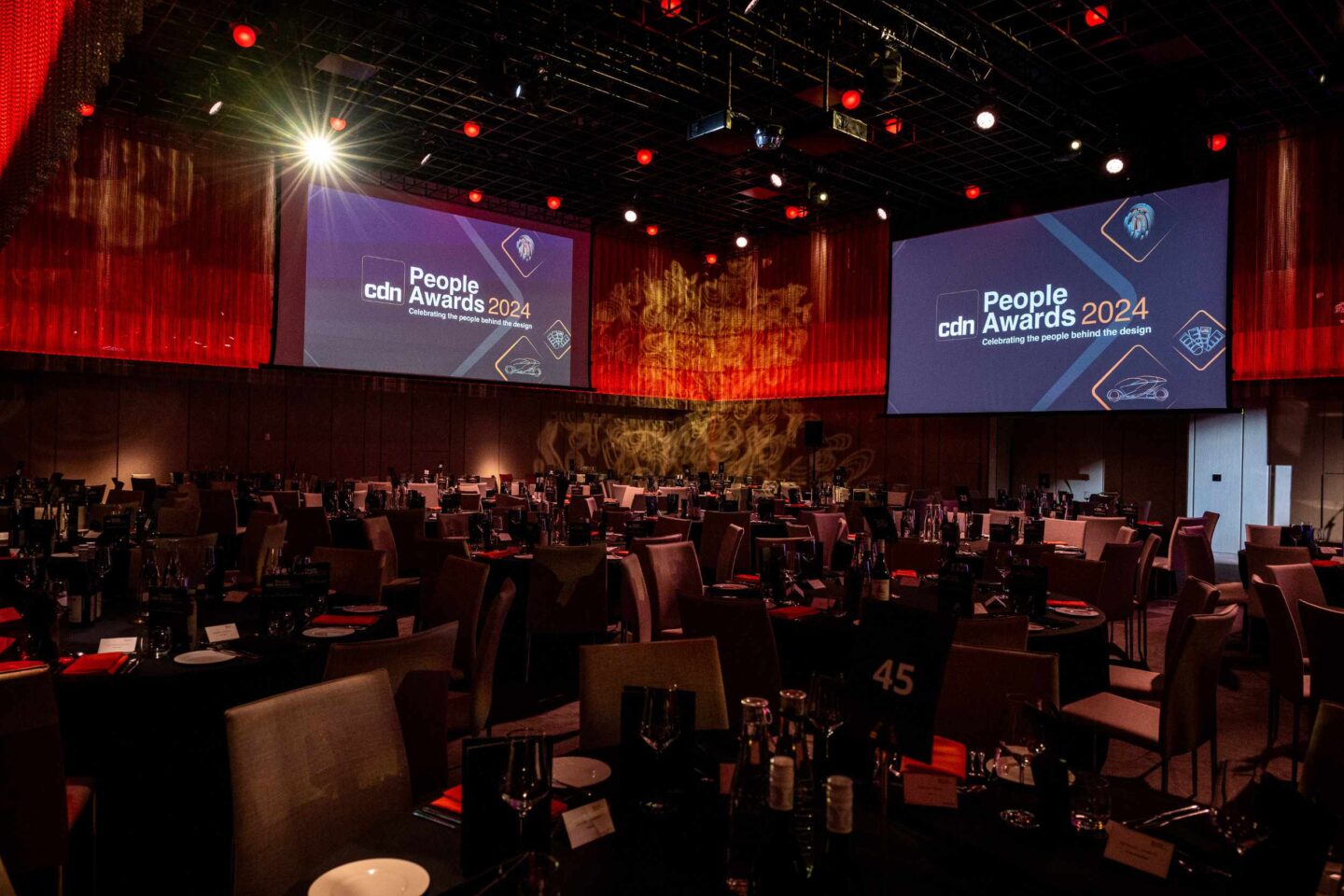
Our CPO Alexander Grasse will be speaking at this exclusive event for leaders across industries. Our contribution will be part of the Automotive Sessions.
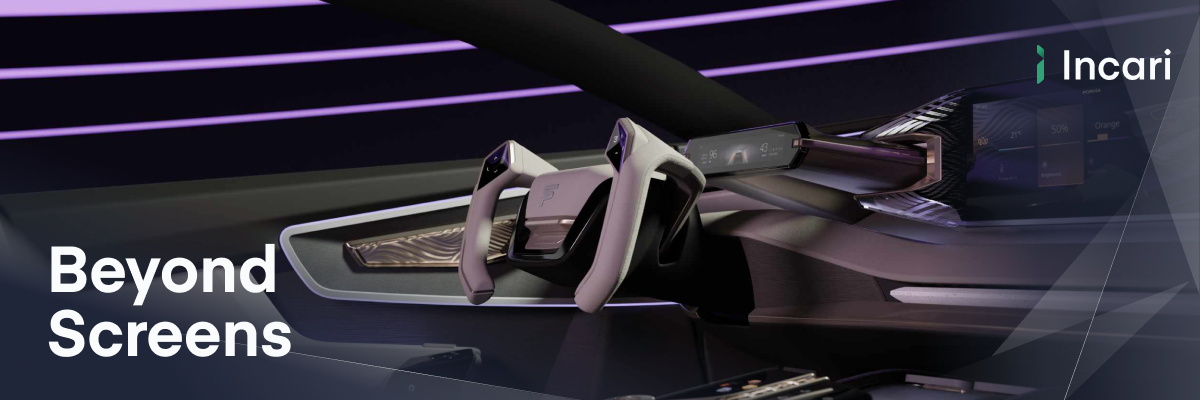
The next generation of drivers expects smart HMIs that go beyond screens, enabling seamless interaction across all senses. That means less complexity, higher user experience, intuitive operation — and above all, faster, simplified development cycles.
Incari has been shortlisted for the Car Design News People Awards 2025 in the category "Best Supplier Award". Our nomination is based on our project with FORVIA, where we demonstrated how multimodal user interfaces can be developed, tested, and validated faster and more efficiently.
In just 1 week, we built a fully functional UI for FORVIA´s CES 2023 demonstrator including lighting, haptics, audio, and gesture control, all running in real time.
By seamlessly integrating Incari Studio into Autodesk VRED, a central part of FORVIA’s 3D workflow, we replaced fragmented processes in HMI development with an agile, collaborative workflow that involves designers at the earliest stages of HMI creation.
This significantly accelerated the entire UX/UI validation process and set a new benchmark in HMI development. Our project laid the foundation for Incari Studio to become an integral part of FORVIA’s HMI toolchain.
We are proud to stand alongside other leading suppliers on this year’s shortlist. The winners will be announced on December 4, 2025 in London.
The next generation demands smart HMIs that go beyond screens, enabling seamless interaction across all senses. For the HMI systems of tomorrow, this means: less complexity, higher user experience, intuitive operation and above all, simplified development with significantly shorter cycles.
The automotive industry has stalled: Long development cycles and complex processes are slowing down especially software innovation. Rigid structures prevent fast developments and flexible adaptation. The driver of tomorrow doesn’t primarily want to own, but they want to experience. The TikTok generation expects easy-to-use, smart systems tailored to their needs. Connected, context-aware HMIs that anticipate and support those needs will be a decisive factor for brand loyalty and brand experience.
For the HMI systems of tomorrow, this means: less complexity, higher user experience, intuitive operation and above all, simplified development with significantly shorter cycles. It’s about full multimodality, engaging all five human senses. HMI doesn’t just mean “interface”. It means “interaction.” The trend is moving toward fewer, even no screens, towards smart surfaces, next-gen head-up displays, and intelligent HMI surfaces that may require no physical touch.
To achieve this, HMI development must become faster, more integrated, and more user-centric, moving away from a screen-focused approach toward seamless interaction between human and machine. The goal is an experience where interaction is so natural and context-driven that screens may no longer be needed at all.
Incari’s CPO Alexander Grasse joined the “Car Design News” couch at the Autodesk Automotive Innovation Forum 2025. In the interview, he explains why the future of HMI goes beyond screens and how Incari Studio enables seamless, next-generation user experiences. Watch the video here.